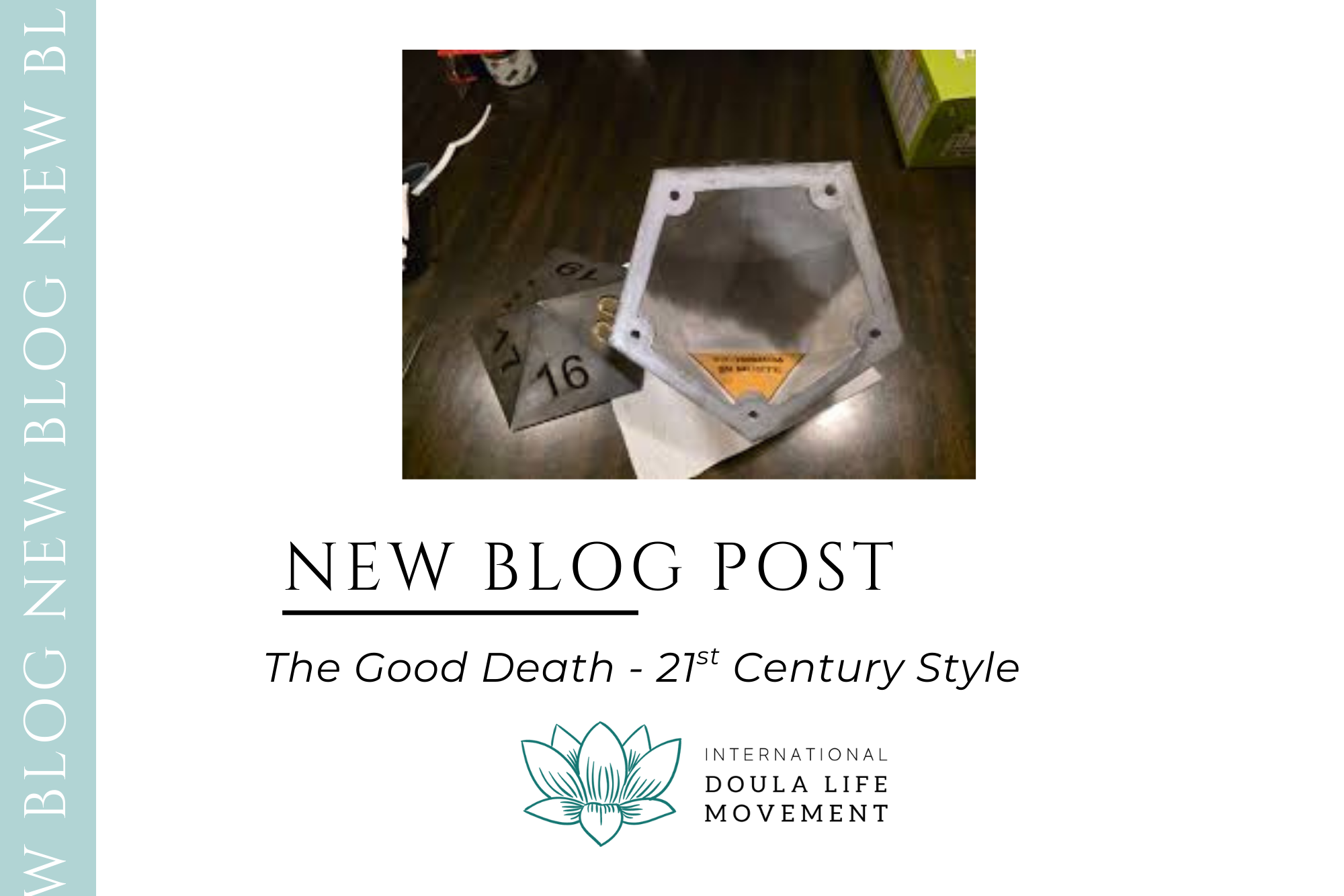
I saw a post on social media today about a man who died who used to run a Dungeons and Dragons game for his friends, and in his memory they had a specialty urn made for him in the shape of the twenty-sided die used to play the game.
Last week, the Modern Mortician posted on her Facebook account about a medical aid in dying client who loved Stranger Things so much she arranged for a Stranger Things finale viewing party to take place on the night she chose to say goodbye.
A few months ago I sang at funeral, and the family of the deceased requested a Metallica song.
None of these are the types of choices we normally think of when we imagine people dying, but each is a reflection of the person who passed on, and the love their families and friends had for them. Death is just another part of life; it doesn’t change who we are or what we love.
Throughout history there has always been the concept of the “good death,” and the good death looked basically the same throughout the centuries. It meant dying surrounded by loved ones, in your home where you felt safe and comfortable, and having the chance to make yourself right at the end with whatever god you happened to believe in. Obviously there was a lot of room for variation within these guidelines, but this was what most people hoped to experience at the end of their life.
Stories about someone watching Stranger Things on their very last night, or having Metallica play at their funeral, show us that people are figuring out their own personal, modern, twenty-first century version of the good death. These people, facing death, want to be surrounded by the things they loved throughout their life. The media is different, but the impulse is the same.
Because we live in a society that is disconnected from death, some people don’t realize that it can be whatever they want it to be. They have never been around death, and all they know is what they have seen on TV or in the movies, and let’s be real—death in the movies tends to follow a certain formula. People sort of understand that they don’t have to do anything religious if they don’t want to, but they still worry that certain types of music might be inappropriate, or they think it might be seen as disrespectful to talk about their favorite fantasy games when someone has died, because death is so serious.
One of the most beautiful aspects of being a doula is helping people to take ownership of their own death, and helping them realize that it doesn’t need to look the way they think it’s supposed to look. It can look however they want. And as doulas, we have the privilege of helping them put it all together. I can’t imagine anything more special than helping someone’s final days or hours look exactly the way that will bring the most happiness to them and their loved ones.